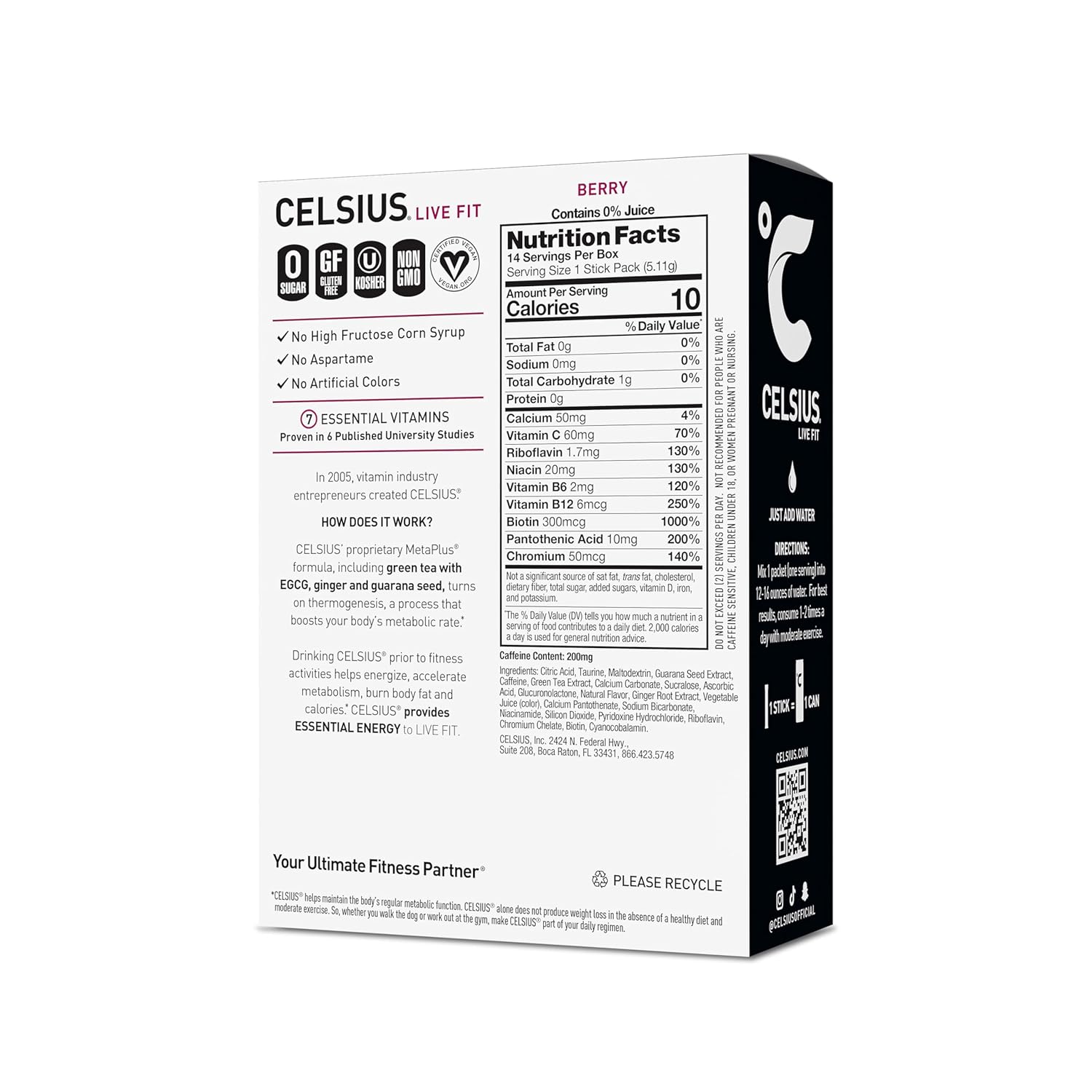
Plain water does its job. But a growing category of liquid and powder enhancers — those small squeeze bottles and single-serve packets you mix directly into your water bottle — now promise more than flavor and electrolytes. They’re adding caffeine (a stimulant that increases alertness by blocking adenosine receptors in the brain), adaptogens (a class of botanicals studied for helping the body regulate its stress response), and L-theanine (an amino acid found naturally in green tea leaves, often paired with caffeine to smooth out jitteriness). If you’ve been shopping this space for a year or two, you’ve already seen these ingredients pop up on labels. What you may not have is a reliable map of how they actually work, where the evidence is solid, and how to read the tradeoffs before you commit to a subscription or recommend something to a client. That’s exactly what this guide builds — starting from first principles and getting precise enough to be useful at the shelf.
What “Functional” Actually Means in This Category
The word functional in the water enhancer world is doing a lot of lifting. At minimum, it signals that a product claims a physiological effect beyond basic hydration — energy, focus, stress modulation, or cognitive performance. At maximum, it’s a marketing word that means almost nothing without looking at the dose.
Here’s the practical distinction worth making early: electrolyte enhancers (sodium, potassium, magnesium, like you find in LMNT or Nuun) have a clear, well-documented job — fluid retention and muscle function during and after exercise. Neuro-functional enhancers — the caffeine, adaptogen, and L-theanine products — are playing a different game. They’re targeting the central nervous system, not the kidneys. Different mechanism, different evidence base, different use-case logic.
The category has grown fast. As of early 2026, shelf space at major mass retailers shows dedicated “energy water” and “focus water” sections that didn’t exist 18 months ago, and DTC brands in the space are proliferating. That growth creates both more options and more noise. The buyer who had this market figured out in 2024 may be encountering five new SKUs today with overlapping claims and wildly different formulas.
Caffeine in Water Enhancers: The Dose-Response Math That Matters
Caffeine is the most research-backed ingredient in this category by a significant margin. The American College of Sports Medicine’s Position Stand on Nutrition and Athletic Performance identifies caffeine as one of a small number of supplements with strong evidence for ergogenic (performance-enhancing) effects. The operative number for most adults is 3–6 mg per kilogram of body weight — meaning a 165-pound (75 kg) person is looking at roughly 225–450 mg as the studied performance-relevant range, with 3 mg/kg being a reasonable starting point.
By the numbers: caffeine in common functional water enhancers
| Product tier | Typical caffeine per serving | Context |
|---|---|---|
| Budget squeeze bottles (e.g., Mio Energy) | 60 mg | ~⅔ of a standard energy drink |
| Mid-tier functional blends | 80–100 mg | Roughly one standard serving |
| Premium focus/performance drops | 100–150 mg | Near the lower bound of ACSM’s studied ergogenic range |
The tradeoff here is control. A 100 mg liquid enhancer gives you clean dose-stacking ability — you can split a serving, take half in the morning and half pre-workout, and actually know what you consumed. That granularity matters when you’re tracking total daily intake. Per Examine.com’s caffeine supplement overview, habitual intake above approximately 400 mg/day in healthy adults is associated with increased risk of anxiety, disrupted sleep architecture, and elevated heart rate — all costs that compound when caffeine is distributed invisibly across multiple products.
What to watch for: some budget-tier enhancers use proprietary blends that list caffeine as part of a “performance matrix” without disclosing the exact amount. That’s a disqualifier if you’re tracking doses for yourself or recommending to clients. Always look for a labeled milligram count, not a blend weight.
L-Theanine: The Pairing Logic and When It Actually Earns Its Label Claim
L-theanine is where the category’s practitioner-level distinctions get interesting. Standalone, L-theanine has modest evidence for reducing subjective anxiety and promoting relaxed alertness. Paired with caffeine, the research picture sharpens considerably. Examine.com’s L-theanine research summary identifies the caffeine-to-theanine ratio of approximately 1:1 to 1:2 as the studied range for synergistic focus effects — meaning if a product has 100 mg of caffeine, you’re looking for 100–200 mg of L-theanine to get the combination effect the label is implying.
Here’s the tradeoff that separates budget from premium in this space: L-theanine is not cheap at meaningful doses. A product offering 50 mg of theanine against 100 mg of caffeine is selling you a 1:0.5 ratio that doesn’t match the studied protocol. It’s not useless, but it’s not delivering the pairing benefit either. When you’re comparing two products at a $10 price gap, check the theanine number first. If one lists 200 mg theanine and the other lists 50 mg, the math on value has already resolved in favor of the higher-priced option.
Practical flag for parent or client-recommendation use: L-theanine by itself has a reasonable safety profile in adults, but functional water enhancers combining caffeine and theanine are not appropriate for children or teenagers. The ACSM position on caffeine in youth is conservative, and the combination products in this category are designed for adult physiology. This is a product recommendation boundary worth stating clearly to any coaching or dietitian client base.
Adaptogens in Water Enhancers: Strong Concepts, Variable Evidence
Adaptogens are the most conceptually compelling and most evidence-uneven ingredient class in this category. The term refers to botanicals — most commonly ashwagandha (studied for cortisol modulation and stress reduction), rhodiola rosea (studied for physical and cognitive fatigue), lion’s mane mushroom (studied for nerve growth factor support and cognitive function), and eleuthero (sometimes called Siberian ginseng, with evidence for physical endurance) — that are proposed to help the body resist physiological stress without overstimulating it.
Healthline’s 2024 overview of adaptogens notes that while the category has historical roots in Ayurvedic and traditional Chinese medicine, modern clinical evidence varies significantly by compound and dose. Rhodiola has some of the more consistent human trial data; lion’s mane mushroom evidence is promising but earlier-stage. Ashwagandha has robust data for stress and anxiety reduction at doses of 300–600 mg of root extract per day, per the mindbodygreen review of adaptogen research.
That last number is the problem in most water enhancer applications. The effective ashwagandha doses in clinical studies are 300–600 mg. Examine.com’s rhodiola rosea summary points to roughly 200–600 mg of standardized extract (standardized to 3% rosavins and 1% salidroside) as the studied range. Now look at most liquid enhancer labels: you’ll commonly see 50–100 mg of an adaptogen blend, or worse, a “proprietary blend” with no per-ingredient disclosure. A 50 mg ashwagandha hit in a squeeze bottle is unlikely to replicate the outcomes from a 300 mg standardized trial.
This doesn’t mean adaptogen-infused water enhancers are worthless — some premium DTC brands are genuinely pushing meaningful doses into liquid formats, and the delivery mechanism (water-dissolved) may improve bioavailability for some compounds. But the decision rule is specific: require a standardized extract with disclosed milligram amounts. “Contains ashwagandha” on a label without a dose is a marketing signal, not a formulation one.
A Quick Framework for Evaluating Any Adaptogen Claim
- Is the extract standardized? (Look for “standardized to X% rosavins” or “KSM-66” for ashwagandha — KSM-66 is a branded root extract with its own clinical trial record.)
- Is the dose disclosed per serving, not buried in a blend total?
- Does the disclosed dose reach at least 50% of the lower bound of the studied efficacy range?
- Is there a third-party certificate of analysis (COA) available on the brand’s site? This matters more in this ingredient class than in electrolytes because botanical purity varies widely.
How to Stack These Ingredients — and When Not To
Practitioners in the performance and wellness space are often managing multiple supplement inputs simultaneously. Here’s where functional water enhancers introduce specific stacking risks worth naming:
Caffeine stacking is the most common accidental mistake. If a client or athlete is already using a pre-workout product with 200 mg caffeine and adds a functional water enhancer with 100 mg, they may cross into ranges associated with adverse effects without realizing it — because the water enhancer doesn’t read as a “stimulant product” in the same mental category. Make total daily caffeine the tracking unit, not the number of products.
Adaptogen-medication interactions are underdiscussed in the DTC water category. Ashwagandha has documented interactions with thyroid medications and immunosuppressants, per Healthline’s overview. Rhodiola may potentiate the effects of stimulants. These are not reasons to avoid adaptogens categorically, but they are reasons to flag the ingredient class to any client who’s on chronic medication before recommending a subscription box with a featured adaptogen blend.
L-theanine and sedative medications: at the doses in most water enhancers (under 200 mg), this is low-risk for most adults, but it’s worth noting for completeness, especially for clients who take sleep aids or anti-anxiety medications.
The Decision Framework: If X, Then Y
You’ve now got the underlying logic. Here’s how to translate it into actual buying and recommending decisions:
If you want clean, dose-controlled caffeine with a smooth arc: look for a product disclosing a 1:1 to 1:2 caffeine-to-theanine ratio, both ingredients labeled in milligrams. Budget for $20–$35/month for a quality mid-tier option. Mio Energy and similar budget bottles can work for casual use but don’t typically deliver meaningful theanine doses.
If your goal is stress modulation and cognitive longevity (not energy peaks): adaptogens are the right ingredient class, but the format matters. Standalone adaptogen capsules or powders with standardized extracts will almost always deliver higher and more consistent doses than liquid enhancer formats. In a water enhancer context, only pay the premium if the label shows standardized extract + milligram disclosure. If it doesn’t, you’re paying for the story, not the dose.
If you’re recommending to clients: build a simple two-question screen — are they on any chronic medication? (If yes, flag adaptogens and run it past their prescriber.) Are they monitoring total caffeine intake? (If not, establish that baseline before adding a caffeinated enhancer to their stack.) Practitioners at Examine.com and registered dietitians in sports settings consistently note that the most common functional supplement error is not a wrong choice but an unknown total dose.
If budget is the constraint: prioritize the caffeine-plus-theanine combination over adaptogens for cost-per-effect. The evidence base is stronger, the doses required are smaller (and therefore more achievable in liquid format), and the price point is accessible across mid-tier brands. Save the adaptogen premium for a dedicated standalone supplement if the use case warrants it.
The functional water enhancer category is genuinely interesting — and genuinely uneven. The signal worth following is always the same: disclosed doses, standardized extracts, and third-party verification. Everything else is branding.