MiO is a liquid water enhancer — a small squeeze bottle you carry in a pocket or gym bag and use to add flavor (and sometimes electrolytes or caffeine) to plain water, a few drops at a time. Kraft Heinz launched the line in 2011, and it has since expanded into four distinct product families that look nearly identical on the shelf but serve very different goals. If you’ve stood in the beverage aisle trying to figure out whether you want the blue bottle or the green bottle, you’re not alone. This guide cuts through the packaging to compare MiO Original, MiO Sport, MiO Energy, and MiO Unwind on the things that actually matter: ingredient tradeoffs, electrolyte content, caffeine load, dye exposure, and cost per serving. Whether you’re picking up a single bottle for flavor variety or stacking MiO into a structured hydration protocol, every tier is covered here.
| EDITOR'S PICK[MiO Cherry Blackberry](https://www.amazon.com/dp/B00EEBJO94?tag=greenflower20-20) | Mid-tiermio Cherry Blackberry Flavored… | Budget pick[MiO Sport Berry Blast Naturally…](https://www.amazon.com/dp/B00B2AZLGU?tag=greenflower20-20) | |
|---|---|---|---|
| Flavors included | 4 | 1 | 1 |
| Electrolytes | — | — | ✓ |
| B vitamins | — | — | ✓ |
| Pack size | 4 ct | 1 ct | 1 ct |
| Price | $23.99 | $3.49 | $2.99 |
| See on Amazon → | See on Amazon → | See on Amazon → |
What Separates the Four MiO Lines (The Fast Answer)
Before going deep, here’s the structural difference between the product families — because once you see it, every downstream decision becomes obvious.
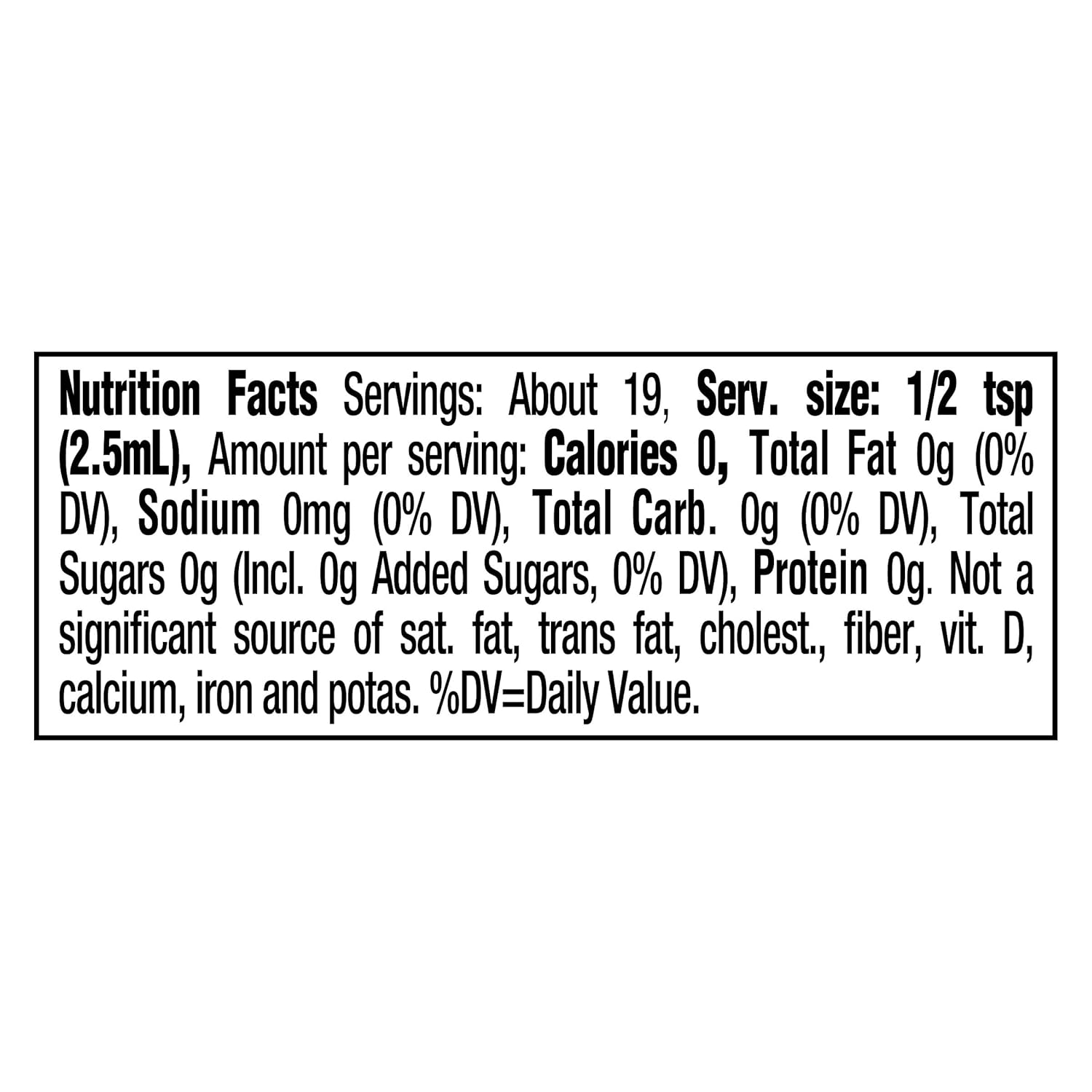
MiO Original is pure flavor with zero nutritional function. No electrolytes, no vitamins, no stimulants. Its job is to make plain water taste like something so you actually drink more of it. The ingredient deck is short: water, citric acid, artificial flavors, sucralose and acesulfame potassium (the two most common zero-calorie sweeteners in this category), and synthetic dyes depending on the flavor SKU.
MiO Sport adds electrolytes — specifically sodium and potassium — targeting workout hydration. It’s MiO’s answer to sports drinks, minus the sugar and calories.
MiO Energy layers in caffeine (typically 60 mg per serving, sourced from green tea extract in most current SKUs) alongside B vitamins. Think of it as a caffeinated flavor drop.
MiO Unwind is the newest family. It includes L-theanine and melatonin in select SKUs, positioned as an evening wind-down product.
By the numbers — one serving of each MiO line (per label, May 2026):
| Line | Calories | Sodium | Potassium | Caffeine | Key functional add |
|---|---|---|---|---|---|
| Original | 0 | 0 mg | 0 mg | 0 mg | None |
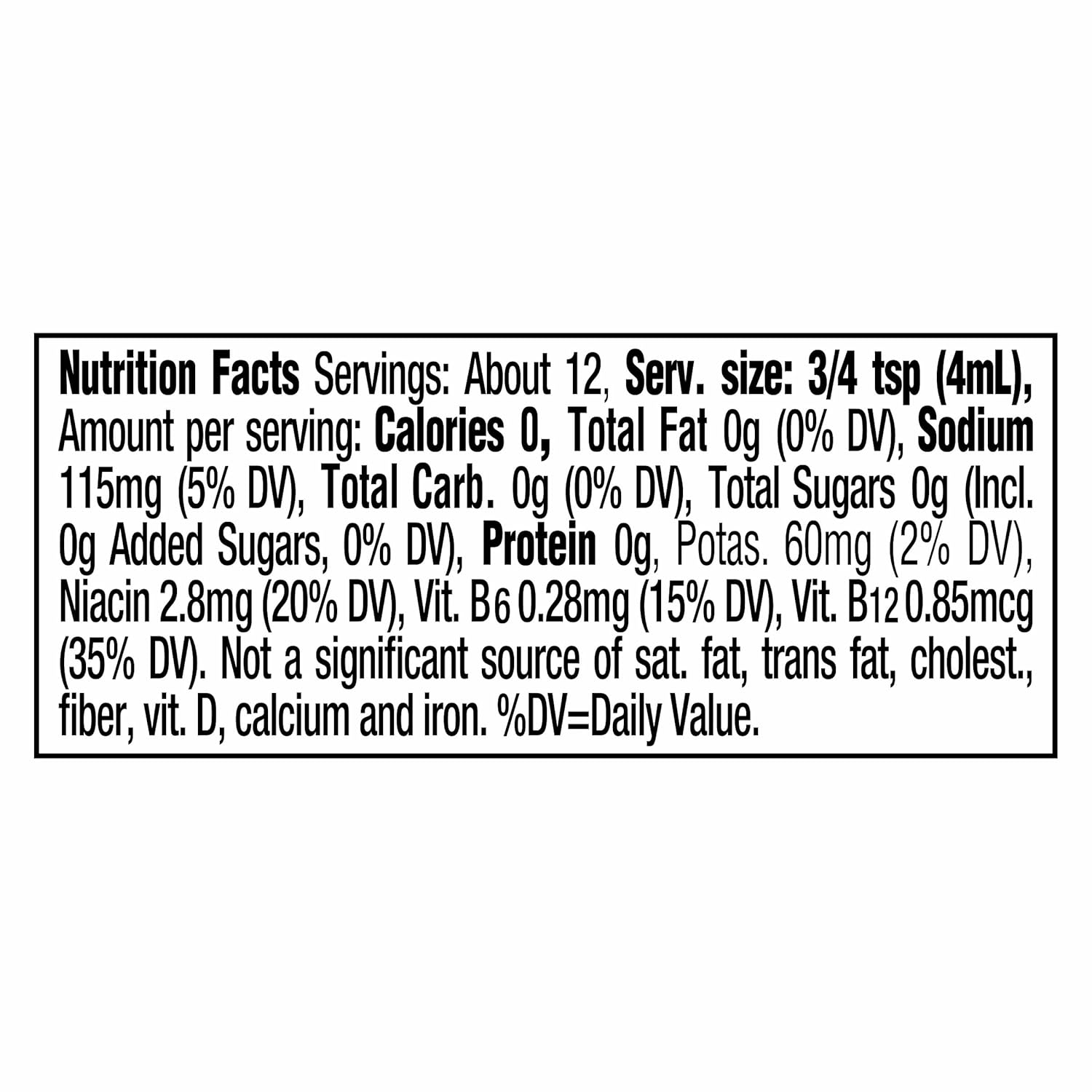
| Sport | 0 | 270 mg | 75 mg | 0 mg | Electrolytes |
| Energy | 0 | 35 mg | 0 mg | 60 mg | Caffeine + B vitamins |
| Unwind | 0 | 0 mg | 0 mg | 0 mg | L-theanine + melatonin (select SKUs) |
MiO Original: When Flavor Is the Entire Point
Who It’s Actually For
For the practitioner audience, MiO Original is the line with the lowest risk ceiling and the lowest reward ceiling. There’s nothing here that helps or hurts hydration performance — it’s a palatability tool, full stop.
Research consistently supports that flavor enhances voluntary fluid intake, particularly in children and recreational exercisers who find plain water boring. The American College of Sports Medicine’s position stand titled Exercise and Fluid Replacement acknowledges that palatability is a legitimate lever for improving hydration compliance. If a client or family member is chronically under-drinking, Original is a defensible low-barrier entry point.
The Dye Question
This is where Original requires scrutiny in 2026. Several Original flavor SKUs — including some berry and fruit punch varieties — still carry Red 40 and Blue 1 on their labels. The Environmental Working Group’s Food Scores database flags these synthetic dyes with moderate concern ratings based on animal study data, though the FDA continues to classify them as safe for most consumers at typical consumption levels. Post-California Food Safety Act pressure has pushed several major brands to accelerate reformulation timelines, but as of this publication, Kraft Heinz has not completed a full dye-free transition across the Original line. If you’re recommending this to parents or clients who’ve asked you to flag artificial colors, check the specific SKU label rather than assuming any given flavor is dye-free.
The Sweetener Stack
Every MiO line uses sucralose and acesulfame potassium (Ace-K). Healthline’s overview of artificial sweeteners summarizes the current consensus: both are FDA-approved and considered safe at normal intake levels, but some animal studies and preliminary human data suggest frequent high-dose Ace-K exposure may affect insulin signaling. For someone using MiO once daily in a 16 oz bottle, the math is unlikely to be clinically meaningful. For a client using four or five servings daily as their primary hydration vehicle, it’s worth flagging as a variable.
Our take on Original: Defensible for flavor compliance. Not a performance or health product. If a client needs something with zero functional ambition and is fine with artificial sweeteners, this works. Prioritize dye-free SKUs like Lemonade and Peach Mango — both have historically cleared the dye watchlist — over the brighter-colored varieties.
MiO
$2.99
In stock on Amazon
Check price on AmazonMiO Sport: The Electrolyte Line Under the Microscope
Electrolyte Numbers and What They Mean
Sport is the line that attracts the most scrutiny from performance-and-wellness buyers, and it deserves it — because the electrolyte numbers tell a specific story.
Sodium at 270 mg per serving is meaningful. The American College of Sports Medicine’s Exercise and Fluid Replacement position stand recommends roughly 300–600 mg of sodium per hour during sustained exercise to offset sweat losses, though individual sweat rate and sodium concentration vary considerably. A single MiO Sport serving in 16–24 oz of water moves the needle, particularly for shorter efforts under 60 minutes where full electrolyte drinks may be overkill.
Potassium at 75 mg per serving is functional but modest. For comparison, a medium banana delivers roughly 422 mg. Premium electrolyte products in the $25–$60+ tier typically deliver 150–380 mg of potassium per serving alongside magnesium, which MiO Sport does not include. Examine.com’s electrolytes overview notes that the sodium-to-potassium ratio matters in the context of cellular fluid balance; MiO Sport’s ratio skews sodium-heavy compared to many purpose-built sports hydration formulas.
Where Sport Wins and Where It Hits a Ceiling
Where Sport wins: Cost and convenience. At roughly $0.25–$0.35 per serving (retail, May 2026), MiO Sport is significantly cheaper than stick-pack electrolyte systems. For a recreational gym-goer doing 45-minute sessions three times per week who wants some electrolyte coverage without a precision protocol, it’s a reasonable spend.
Where the ceiling is real: For the competitive cyclist doing five-hour rides tracking sweat-rate and cramping history, the formula gaps — no magnesium, modest potassium — matter enough to reach for something more complete. If a client is experiencing cramping, hitting 90-plus-minute efforts, or training in heat, MiO Sport alone is not a sufficient protocol.
If X, then Y: If the goal is post-workout “something with electrolytes” and budget sensitivity is real, MiO Sport is a solid recommendation. If the client needs a precision electrolyte tool for endurance sport, this is a starting point, not a finish line.
mio
$3.49
In stock on Amazon
Check price on AmazonMiO Energy and MiO Unwind: Caffeine, Calm, and Where Each Belongs
MiO Energy: A Caffeinated Flavor Drop With Dosing Flexibility
Sixty milligrams of caffeine per serving is roughly in the range of a modest caffeinated soft drink — less than a standard energy drink (which typically delivers 80–160 mg), and well below the 200–400 mg range the FDA considers safe for healthy adults. MiO Energy’s real value proposition is portability and dosing flexibility: a half-squeeze delivers approximately 30 mg; a full squeeze delivers 60 mg. That variable dosing is something canned beverages can’t offer.
The B vitamin complex (typically B3, B6, and B12 in current Energy SKUs) is a common functional addition in this segment. According to Healthline’s coverage of B vitamin supplementation, B12 deficiency is genuinely prevalent in vegetarians and older adults, but supplementation above baseline needs produces no documented performance benefit in non-deficient individuals. The B vitamin story in MiO Energy is largely a marketing frame for consumers who associate B vitamins with energy, rather than a clinically active dose for most users.
One hard constraint worth flagging: The American Academy of Pediatrics policy statement titled Sports Drinks and Energy Drinks for Children and Adolescents explicitly advises against caffeinated drinks for anyone under 18. If you’re recommending hydration products to parents for active kids, MiO Energy is an unambiguous “no” in that context. MiO Original or MiO Sport are the appropriate referrals.
Our take on Energy: Useful for a specific use case — the mid-afternoon workout or early morning session where someone wants a mild caffeinated boost in their water without the volume and sugar of a traditional energy drink. The dosing flexibility is its actual differentiator. Position it as a situational tool, not a daily hydration anchor.
MiO Unwind: The Newest, Least-Validated Line
Unwind is MiO’s foray into the functional relaxation segment, and it deserves honest scrutiny rather than reflexive dismissal or enthusiasm.
L-theanine is the stronger of the two active ingredients from an evidence standpoint. Examine.com’s L-theanine overview summarizes research showing it can modulate alpha brain wave activity and reduce subjective stress responses, particularly when combined with caffeine — though MiO Unwind contains no caffeine, so this synergy doesn’t apply here. Standalone, evidence for L-theanine as a meaningful relaxant is promising but not conclusive at the doses found in consumer products. MiO Unwind’s exact L-theanine dose is not prominently disclosed on all packaging, which limits direct comparison to studied doses (typically 100–200 mg in research protocols).
Melatonin (present in select Unwind SKUs) is better-studied for sleep onset timing, particularly for circadian rhythm disruption. The challenge is that dose matters considerably — lower doses in the 0.5–1 mg range are often as effective or more effective than higher doses for sleep latency, as noted in Healthline’s coverage of sleep supplements. If a client is timing Unwind as a pre-sleep hydration ritual and the melatonin dose aligns with their individual protocol, it’s a reasonable option. It is not a substitute for assessed sleep hygiene or clinical melatonin guidance.
Our take on Unwind: Interesting enough to watch; too new and underdocumented to recommend confidently over dedicated sleep supplements or hydration products. The L-theanine addition is plausible; the melatonin is functional only if the dose is right for the individual. Call it a low-risk experiment for wellness-oriented clients who already prioritize evening rituals — not a clinical recommendation.
MiO
$23.99
In stock on Amazon
Check price on AmazonThe Decision Framework: If X, Then Y
After reviewing all four lines against published specs, label data, and the research landscape cited above, here’s the cleanest set of decision rules:
- If the goal is pure hydration compliance (someone who doesn’t drink enough water because it’s boring): → MiO Original, prioritizing dye-free SKUs.
- If the goal is workout hydration with electrolytes on a budget: → MiO Sport for efforts under 60–75 minutes. Upgrade to a purpose-built electrolyte formula for longer or more intense sessions.
- If the goal is a low-volume caffeinated pre-workout or afternoon boost with dosing flexibility: → MiO Energy, adults only, no more than 1–2 servings daily to stay within reasonable caffeine limits.
- If the goal is an evening wind-down ritual with functional intent: → MiO Unwind as a low-risk experiment; manage expectations around evidence quality.
- If the client is under 18: → Original or Sport only. Energy and Unwind melatonin SKUs are off the table per the American Academy of Pediatrics Sports Drinks and Energy Drinks for Children and Adolescents policy statement.
- If dye exposure is a priority concern: → Check individual SKU labels across all four lines; do not assume any MiO product is currently dye-free without direct label verification.
MiO’s core strength is accessibility — $4–$6 per bottle, wide retail distribution, and a flavor catalog broad enough to serve almost any palate preference. Its ceiling is equally clear: it is not a precision hydration system, and the ingredient quality does not match what you’ll find in premium purpose-built formulas. Knowing exactly which line fits which use case is what separates a useful recommendation from a shrug — and now you have the framework to make that call with confidence.