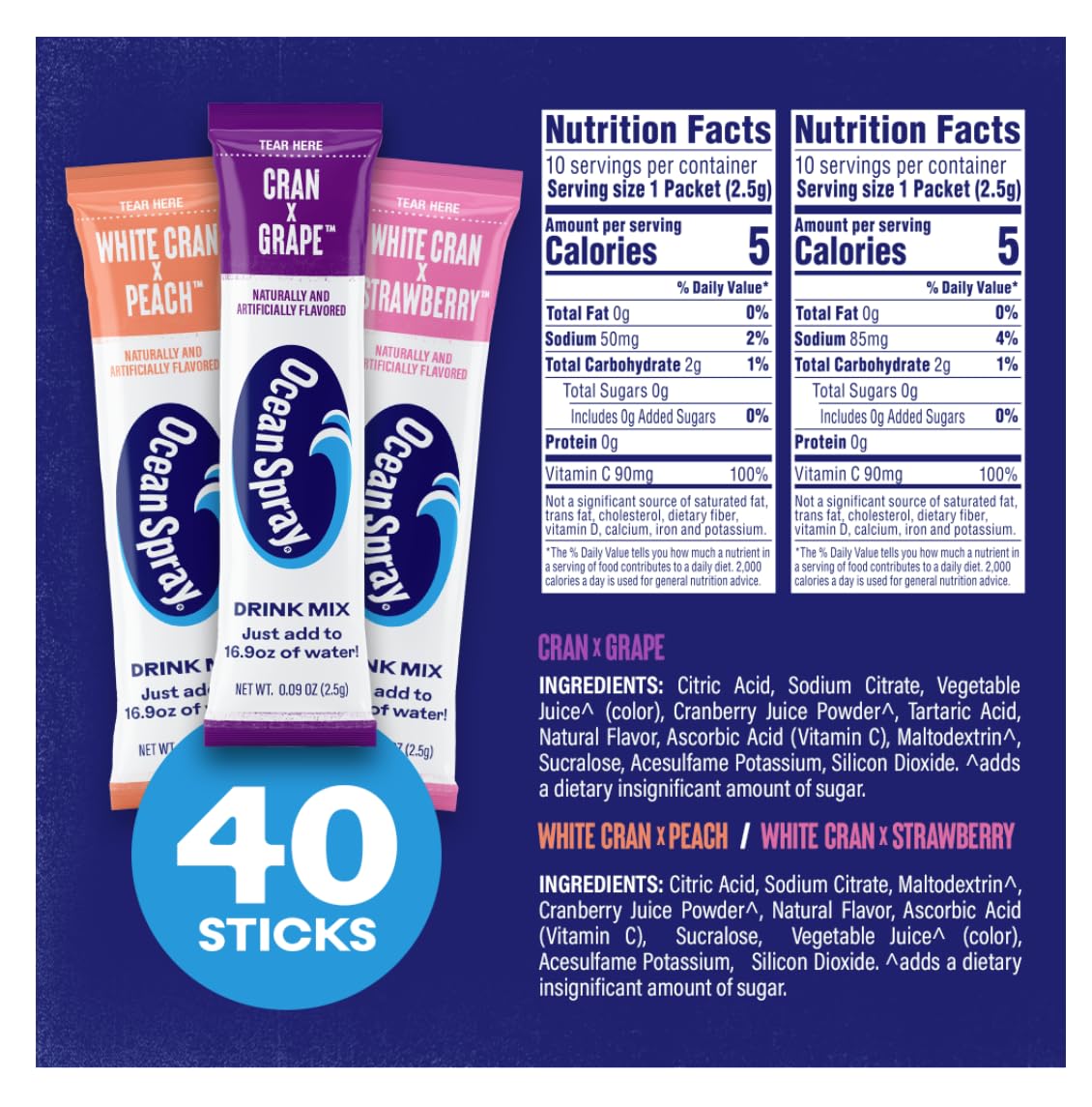
If you’ve ever torn open a little flavor packet and shaken it into your water bottle, you already know what we’re talking about: singles-to-go powder packets are individual-serving drink mixes — usually 3–10 grams of powder in a foil sleeve — that dissolve in water to add flavor, electrolytes (minerals like sodium, potassium, and magnesium that help your body hold and use fluids), or both. They’re cheap, portable, and a genuinely useful tool for anyone trying to drink more water or recover faster from a hard workout. The catch? The market spans everything from 50-cent sugar-bomb legacy brands to $2-per-packet precision electrolyte formulas — and the label tells you a lot if you know what to look for. This guide ranks the major players by category, flags the dye red flags worth knowing about in 2026, and ends with a clear decision framework so you walk away knowing exactly which packet belongs in your gym bag, your kid’s lunch box, or your hydration protocol.
| EDITOR'S PICKTrue Lemon Water Enhancer Packe… | Mid-tierTRUE LEMON Water Enhancer | Budget pickSkittles Singles To Go Wild Ber… | |
|---|---|---|---|
| Servings | 500 | 100 | 30 |
| Weight | 14.08 oz | — | 2.88 oz |
| Sugar-Free | ✓ | ✓ | — |
| Zero Calorie | ✓ | ✓ | — |
| Flavor Variety | Lemon | Lemon | Wild Berry Variety |
| Price | $21.67 | $6.93 | $4.97 |
| See on Amazon → | See on Amazon → | See on Amazon → |
The Dye Watchlist: What’s Still in the Mix and Why It Matters
This is the hill worth dying on first, because synthetic food dyes are the single fastest way to disqualify a product regardless of how good the flavor is.
The context: California’s Food Safety Act (effective January 2027 for school foods, with broad market pressure already reshaping mainstream SKUs in 2025–2026) effectively put the industry on notice about Red 40, Yellow 5, Yellow 6, and Blue 1 — the four dyes most commonly found in drink mix packets. As a result, brands have been reformulating aggressively. The Environmental Working Group’s Food Scores Database, updated through 2025, still flags a meaningful share of legacy powder packets for synthetic dye content, particularly in the budget-tier segment.
Here’s where things stand by brand tier as of mid-2026:
Still using synthetic dyes (confirmed via current label review):
- Crystal Light Original lineup (most flavors): Red 40, Blue 1 present in fruit punch and raspberry lemonade variants
- Kool-Aid Singles: Yellow 5, Red 40 across tropical flavors
- Generic store-brand packets: inconsistent — check the label every time
Recently reformulated or dye-free:
- Crystal Light Pure line: uses turmeric and black carrot for color — a meaningful improvement over the original line
- Liquid I.V. (all SKUs as of reformulation completed Q4 2025): now using beet juice and annatto for color
- LMNT: never contained synthetic dyes — colorless or naturally tinted
- Nuun Sport: reformulated away from artificial dyes in 2024
Healthline’s overview of artificial food dyes, reviewed in 2024, notes that while regulatory consensus on harm thresholds remains unsettled, sensitivity reactions — particularly in children — are documented enough that the AAP has encouraged families to minimize exposure where practical. If you’re recommending packets to clients with kids, this is the filter to apply first.
Practitioner take: The dye conversation is no longer niche. Mainstream brands are responding to market pressure, not just wellness-consumer demand. Expect continued reformulation through 2026–2027. Build a habit of checking labels at point-of-purchase rather than relying on brand reputation alone, because SKUs within the same brand line can differ.
Ranked by Category: Which Packets Actually Deliver
We’re organizing these by use case rather than alphabetically, because the right packet depends entirely on what you’re optimizing for.
Best for Everyday Flavor (Budget Tier: Under $0.50/packet)
MiO Original Liquid Enhancer isn’t technically a powder packet — it’s a squeeze bottle — but it competes directly in this space and earns a mention for the sheer range of dye-free flavor options it’s added since 2024. For true powder packets at the budget end, Stur Drink Mix stands out as the clean-label option reviewers consistently cite. Stur uses stevia and real fruit extracts, contains no artificial dyes, and runs roughly $0.25–$0.35 per serving in multipacks. Across aggregated reviews on major retail platforms, users note the flavor is lighter than Crystal Light — which reads as a feature or a bug depending on your preference.
Crystal Light Pure earns the budget pick for flavor intensity. If your client wants something that tastes close to fruit punch without the Red 40, Pure delivers that in a familiar format. Cost per packet: approximately $0.30–$0.40 in 44-count boxes.
Best for Hydration + Electrolytes (Mid-Tier: $0.75–$1.50/packet)
Liquid I.V. Hydration Multiplier dominates this category in unit volume and brand recognition, and the reformulated formula (post-2025) is cleaner than it used to be. The sodium content — 500 mg per packet — is on the high side compared to competitors, which is intentional: the brand uses a Cellular Transport Technology (CTT) ratio of glucose and sodium designed to accelerate water absorption in the small intestine. Per Examine.com’s evidence summary on sodium and hydration performance, the glucose-sodium co-transport mechanism is real and meaningful for acute rehydration — making Liquid I.V. legitimately useful after heavy sweat loss, not just clever marketing.
Nuun Sport is the tab-format alternative (you drop it in water rather than pouring powder) at a similar price point. It provides a more modest sodium load (300 mg) and adds 150 mg of potassium, which the American College of Sports Medicine’s Position Stand on Exercise and Fluid Replacement identifies as important for prolonged exercise exceeding 60 minutes. Nuun’s lower sugar content (1g vs. Liquid I.V.’s 11g) makes it the mid-tier pick for anyone monitoring carbohydrate intake.
Hydrant Rapid Hydration Mix sits at the top of this tier and positions itself as a cleaner, lower-sugar alternative to Liquid I.V. At roughly $1.25–$1.40 per packet in subscription, it uses a 2:1 sodium-to-potassium ratio that aligns with ACSM guidelines. Mindbodygreen’s 2025 roundup of electrolyte packets rated Hydrant highly for its clean ingredient deck and agreeable flavor without sweetener aftertaste.
Best for Performance Athletes (Premium Tier: $1.50–$2.50/packet)
LMNT Recharge is the product that made high-sodium electrolytes a mainstream conversation, and it holds up. At 1,000 mg sodium, 200 mg potassium, and 60 mg magnesium per packet, it’s built for athletes doing extended sweat sessions — Examine.com’s data supports high sodium replacement for losses exceeding 1–1.5 liters of sweat. The tradeoff: that sodium load is genuinely too high for casual daily use or for kids. LMNT is the right tool for the right situation, not an everyday default.
Cure Hydration takes a different angle — it uses coconut water-derived electrolytes and positions around a lower sodium profile (260 mg) with higher potassium (300 mg). That ratio makes more sense for moderate-intensity workouts and everyday use. Owners consistently report that Cure’s flavor is among the most natural-tasting in the premium segment, and the brand’s DTC subscription pricing (around $1.60/packet) makes it accessible for daily use.
By the Numbers: Key Specs Across Five Popular Packets
| Packet | Sodium (mg) | Sugar (g) | Artificial Dyes | Cost/Packet (approx.) |
|---|---|---|---|---|
| Crystal Light Original | 30 | 0 | Yes (Red 40, Blue 1) | $0.25 |
| Liquid I.V. Hydration Multiplier | 500 | 11 | No (reformulated 2025) | $1.10 |
| Nuun Sport | 300 | 1 | No | $0.85 |
| LMNT Recharge | 1,000 | 0 | No | $1.75 |
| Cure Hydration | 260 | 4 | No | $1.60 |
Prices reflect mid-2026 market rates from brand DTC and major retail channels. Multipack and subscription pricing typically reduces cost 15–20%.
The Parents and Coaches Section: What to Hand Off to Clients
If you’re a trainer or dietitian recommending packets to clients, the AAP’s 2023 update on beverage consumption in children is worth internalizing: the guidance explicitly discourages added-sugar drinks and artificial food dyes for children under 12, while acknowledging that flavored water can be a practical bridge for kids who won’t drink plain water.
That creates a narrow but real category: low-sugar, dye-free packets for kids. The options worth recommending:
- Stur Kids (natural fruit flavors, zero sugar, no dyes) — widely available and budget-friendly
- Nuun Kids (recently launched, lower electrolyte load calibrated for smaller bodies, no artificial dyes)
- True Lemon Crystallized Lemon packets — literally just dried lemon juice and citric acid, nothing else. No sweetener, no dye, no electrolytes. It’s a flavor bridge, not a hydration formula, but it’s the cleanest option on the market.
For adult clients doing general fitness (not high-sweat endurance work), Nuun Sport or Hydrant are the easiest recommendations: mid-range sodium, no dyes, reasonable cost, widely available.
The Decision Framework: If X, Then Y
After reviewing the published specs, label data, and aggregated consumer and expert feedback across this category, here’s the clean decision tree:
If you want basic flavor at the lowest cost and don’t care about electrolytes: Crystal Light Pure (not Original) or Stur. Check the label — Pure uses natural color; Original does not.
If you’re doing moderate workouts (30–60 min) and want simple electrolyte support: Nuun Sport or Hydrant. Both are dye-free, reasonably priced, and hit the sodium/potassium range the ACSM recommends for that duration.
If you’re doing high-sweat endurance work (60+ min, outdoor heat, heavy sweaters): LMNT. The sodium is high by design, and the design is right for that context. Don’t use it as an everyday drink.
If you want a premium daily-use packet that’s clean-label and sustainable in cost: Cure Hydration on subscription. The coconut water sourcing and lower sodium make it appropriate for daily use in a way LMNT isn’t.
If you’re buying for kids or recommending to parents: Stur Kids or True Lemon. Skip anything with a synthetic dye — the AAP’s guidance is clear enough that it’s not worth the friction with health-conscious parents.
If a brand isn’t on this list: flip the packet over. If you see Red 40, Yellow 5, Yellow 6, or Blue 1 in the ingredient list, put it back. If you see sodium under 100 mg and the claim is “electrolyte replenishment,” the math doesn’t support the marketing. Those two filters will eliminate most of the noise in this category before you read another word of the label.
The singles-to-go category is genuinely useful — portable, cheap, and effective when matched to the right use case. The work is knowing the use case before you buy.